How to Donate a Car in Minnesota in About Ten Minutes
Donating a car in Minnesota can be a straightforward process if you know what to prepare and who to contact. The whole thing can take roughly ten minutes once you have the right details at hand. This article walks through the steps so you know what to expect and what to watch out for at each stage.
Step 1: Check That You Have the Title (or Know How to Get It)
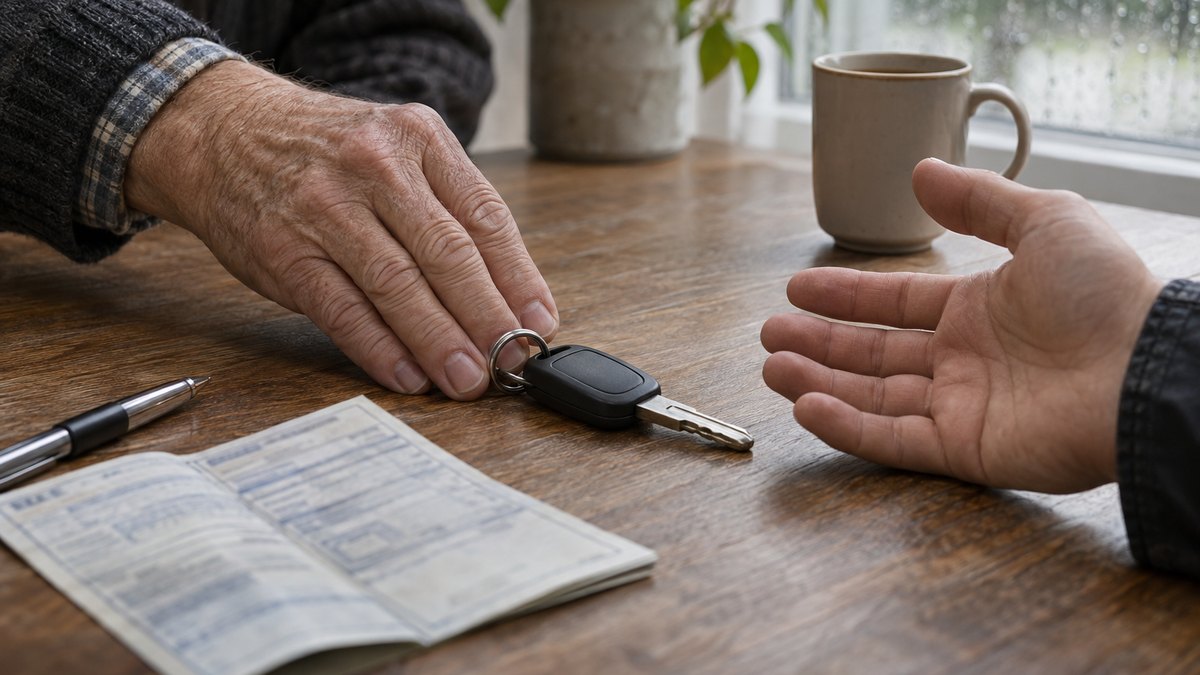
The most important document for a car donation is the vehicle title. In Minnesota, the title proves you own the car free and clear. If you still owe money on the vehicle, you generally need to pay off the loan and have the lien released before you can donate it. Some charities can work with a lien if the amount is small, but that is rare. It is simpler to clear the title first.
If you have lost the title, you can request a duplicate from the Minnesota driver and vehicle services division. That takes a few days by mail or a visit to a local office. Once you have the physical title in hand, the rest moves fast.
Watch out for co-owners. If someone else is on the title, they must also sign the transfer. A charity cannot accept a car without all owners' signatures. Get that sorted before you start the donation form.
Step 2: Choose a Charity That Matches Your Reason for Donating
Minnesota has many organizations that accept car donations. Some focus on education, others on health services, housing, or environmental causes. Pick one whose mission matters to you. The charity will sell the car (usually at auction) and use the proceeds for its programs. You want your donation to support something you believe in.
A practical thing to check: does the charity handle the paperwork? Some will prepare the title transfer and provide an IRS-compliant receipt automatically. Others expect you to do more of the legwork. The less you have to manage, the closer you get to that ten-minute goal.
For example, Newgate School in Minneapolis accepts car donations through an online donor form or a drop-off with no appointment. Staff prepare the title work in five to ten minutes, so the donor side is quick. Donations fund tuition-free training for students. That is one model. Other charities may have a different process, so it pays to ask ahead.
Step 3: Gather the Information You Will Need for the Form
Most online donation forms ask for the same details. Have these ready before you start:
- Your name and address (as they appear on the title).
- The vehicle identification number (VIN), it is on the dashboard near the windshield or inside the driver door jamb.
- The car's make, model, year, and approximate mileage.
- Whether the car runs and drives. If it does not, some charities may still accept it but might need to arrange towing.
- An estimate of the car's condition (good, fair, poor). This helps the charity decide how to handle the vehicle.
If you are donating to Newgate School, owners of non-running cars should call the school about towing. That is a quick phone call, not a form step. For a running car, the online form covers everything.
Watch out for typos on the VIN. A single wrong digit can delay the title transfer. Double-check it against the vehicle itself.
Step 4: Fill Out the Donation Form (Online or In Person)
If the charity offers an online form, this is where the ten-minute clock starts. Enter the details from step 3. Most forms also ask how you want the receipt sent (email or mail). Submitting the form usually triggers an automatic confirmation.
If you prefer to drop off the car in person, call ahead to confirm hours and location. Many charities in Minnesota, especially in the Twin Cities, have a designated drop-off area. No appointment is needed at some places, but it is always polite to check.
At this stage, you sign the title in the presence of the charity representative or as instructed on the form. Minnesota requires the title to be signed by the owner(s) in the correct spots. If you sign in the wrong place, the transfer can be rejected. Look for the line labeled "assignment of title" or "transfer of ownership." Do not sign any other part. The charity fills in the rest.
Step 5: Arrange Pickup or Drop-Off
For a running car, you can drive it to the charity. That is the fastest method. For a non-running car, you need to arrange towing. Some charities have a towing partner or can arrange a tow at no cost to you. Others may ask you to arrange it yourself. Ask before you fill out the form, so there are no surprises.
If the charity handles towing, they will schedule a time with you. That adds a day or two to the process but does not take more of your time. The actual donation form still takes ten minutes.
Watch out for the car's contents. Remove all personal items, license plates (unless the charity wants them), and any valuables. The charity is not responsible for items left in the car. Do a final sweep of the glove box, trunk, and under seats.
Step 6: Get Your Receipt and Understand the Tax Benefit
After the charity accepts the car, you will receive a receipt. In many cases, the initial receipt is an acknowledgment of the donation. The IRS requires a more detailed receipt if the car sells for more than $500. That detailed receipt shows the sale price and is sent after the vehicle is sold. Most charities send it within 30 days.
The charity's receipt is your proof for a tax deduction. The amount you can deduct depends on whether the charity sells the car or uses it directly. If the car sells for $500 or less, you can generally deduct the fair market value up to $500. If it sells for more, you deduct the actual sale price. Keep a copy of the receipt with your tax records.
Watch out for scams. A legitimate charity will never pressure you to donate or ask for your bank details. If the process feels rushed or the charity is vague about how it uses donations, that is a red flag. Check the charity's status with the Minnesota attorney general's office or on sites like guidestar before you donate.
What to Watch Out For Throughout the Process
Title Errors
The single biggest delay is a mistake on the title. Sign in the wrong spot, miss a co-owner's signature, or leave the date blank, and the charity may have to send the title back to you. That can add weeks. Go through the title slowly before you hand it over.
Non-Running Cars
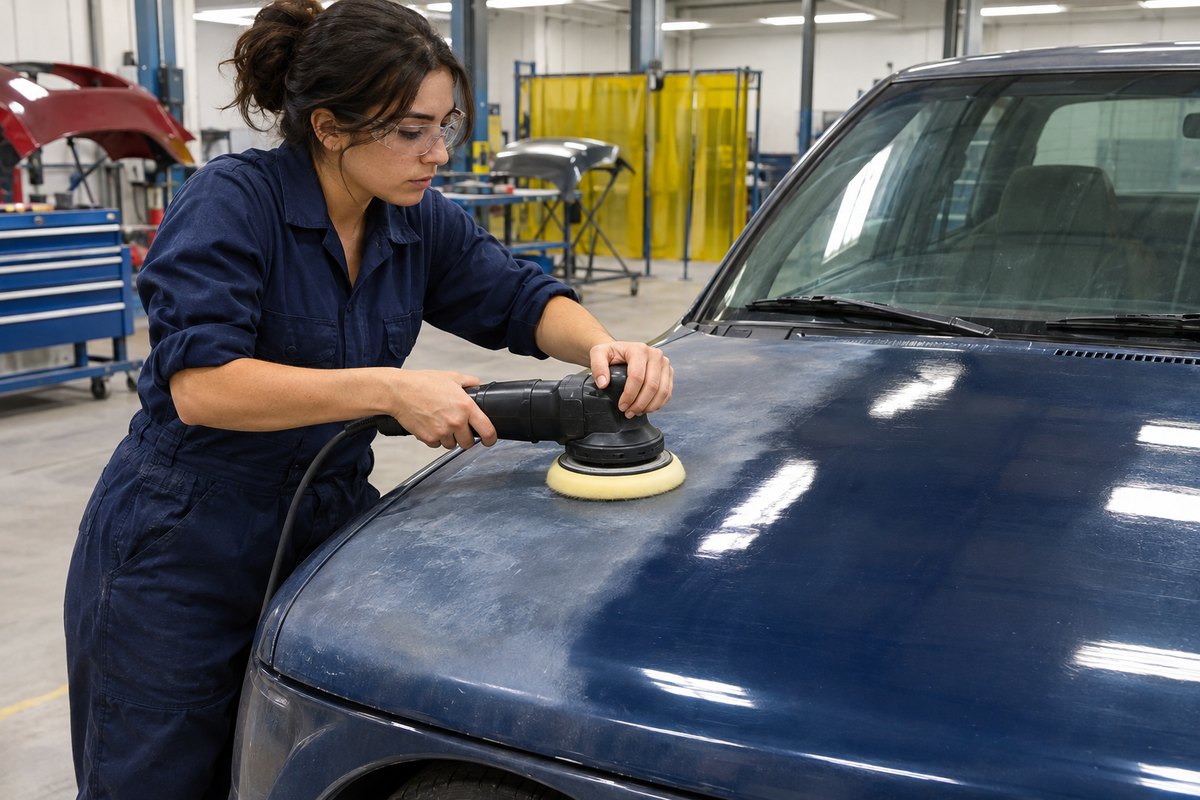
Not every charity can accept a car that does not run. Towing costs money, and some organizations have no budget for it. If your car is in that state, call first. A charity that can handle a non-runner will tell you exactly what to do.
Tax Timing
To claim a deduction on a given year's taxes, the donation must be completed by December 31. Completion means the charity has accepted the car and you have signed the title. If you donate on December 30 but the charity does not pick up the car until January, the donation counts for the new year. Plan ahead.
Why Donating a Car Makes Sense in Minnesota
Minnesota winters can be hard on older cars. A vehicle that still runs well but has high mileage or minor issues can be a good candidate for donation. Rather than selling it privately or trading it in for a small amount, you can support a cause and get a tax deduction. The process takes minutes if you work with a charity that handles the logistics.
Charities like Newgate School make it especially simple because they prepare the title work and accept drop-offs without an appointment. That removes the biggest friction points: paperwork and scheduling. For a running car, you can be done in the time it takes to drink a coffee.
Donating a car is not complicated. The key is to have the title ready, choose a charity you trust, and fill out the form carefully. Once the car is handed over, the charity takes care of the rest. You walk away with a clean driveway and a tax receipt in your inbox.
Ends · MYAUTOMOTIVEEDUCATIONWAY